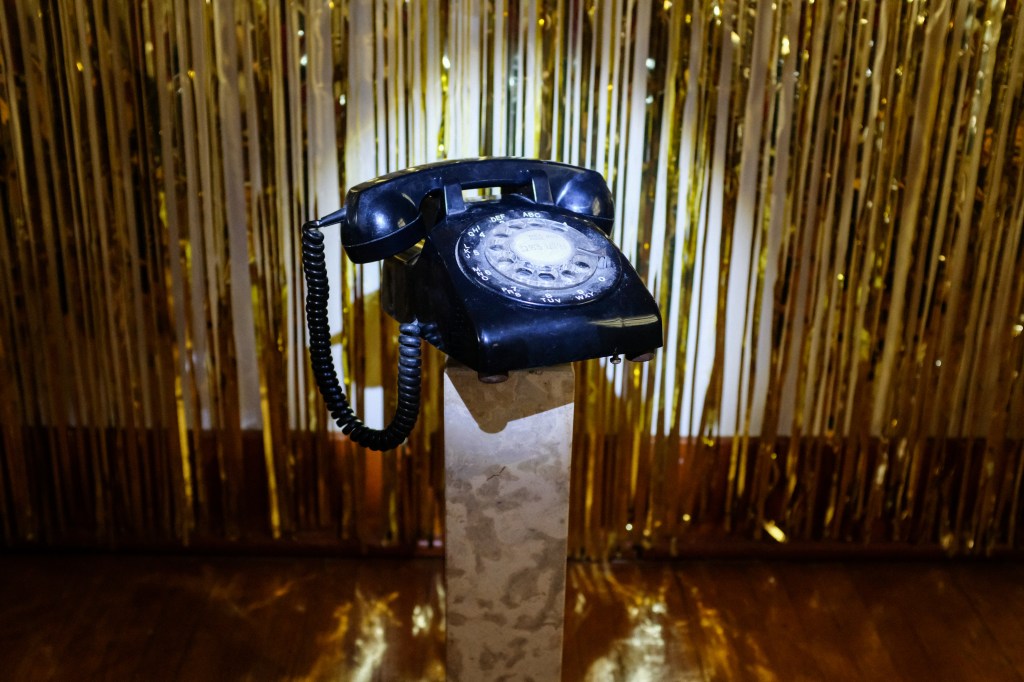
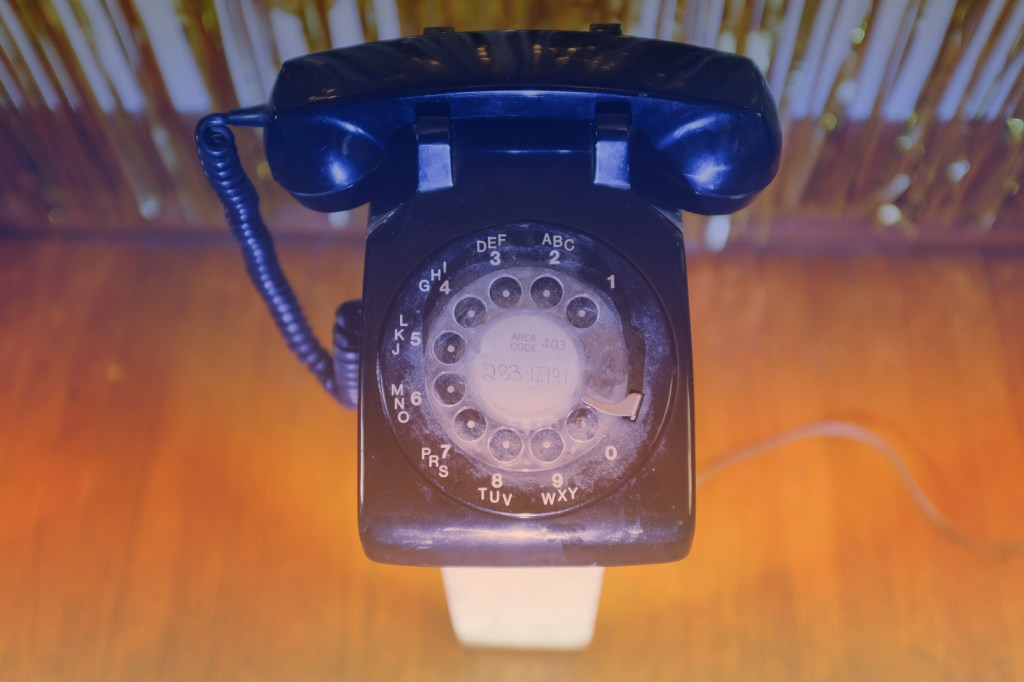
The idea of making hard-wired telephones for Butler Memorial Park came from listening to the place. We were thinking about how the park is used like a living room and ways to enhance the feeling of home, of knowing the people around you.
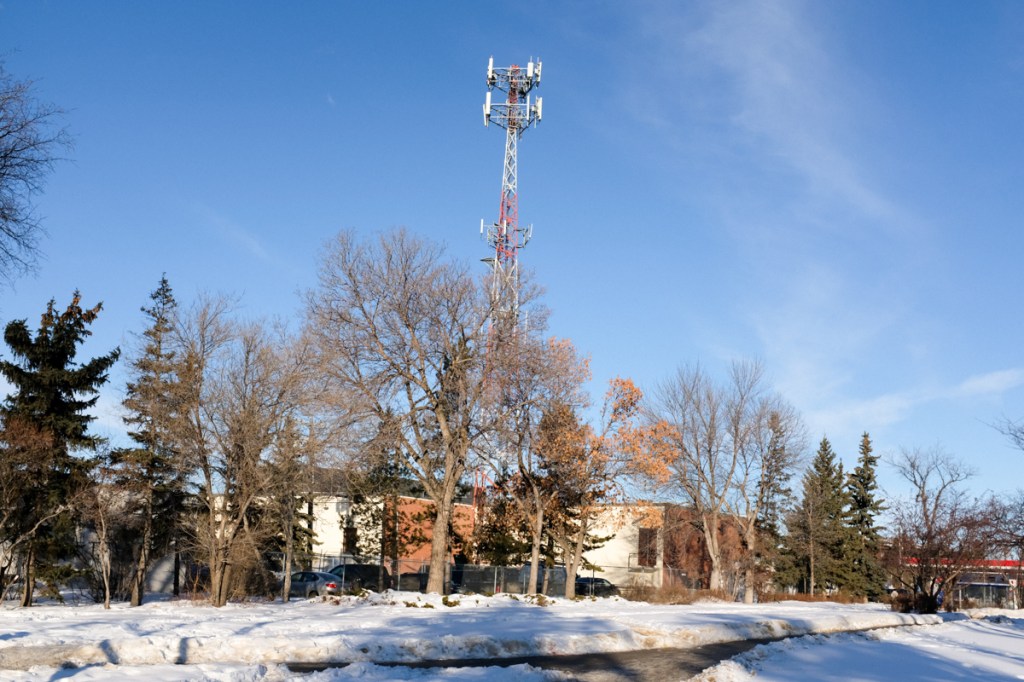
At the same time, we were visiting the park and learning about the neighbourhood. We couldn’t ignore the giant cellular tower beside the park – a newer addition to a historic Alberta Government Telephones (AGT) building.
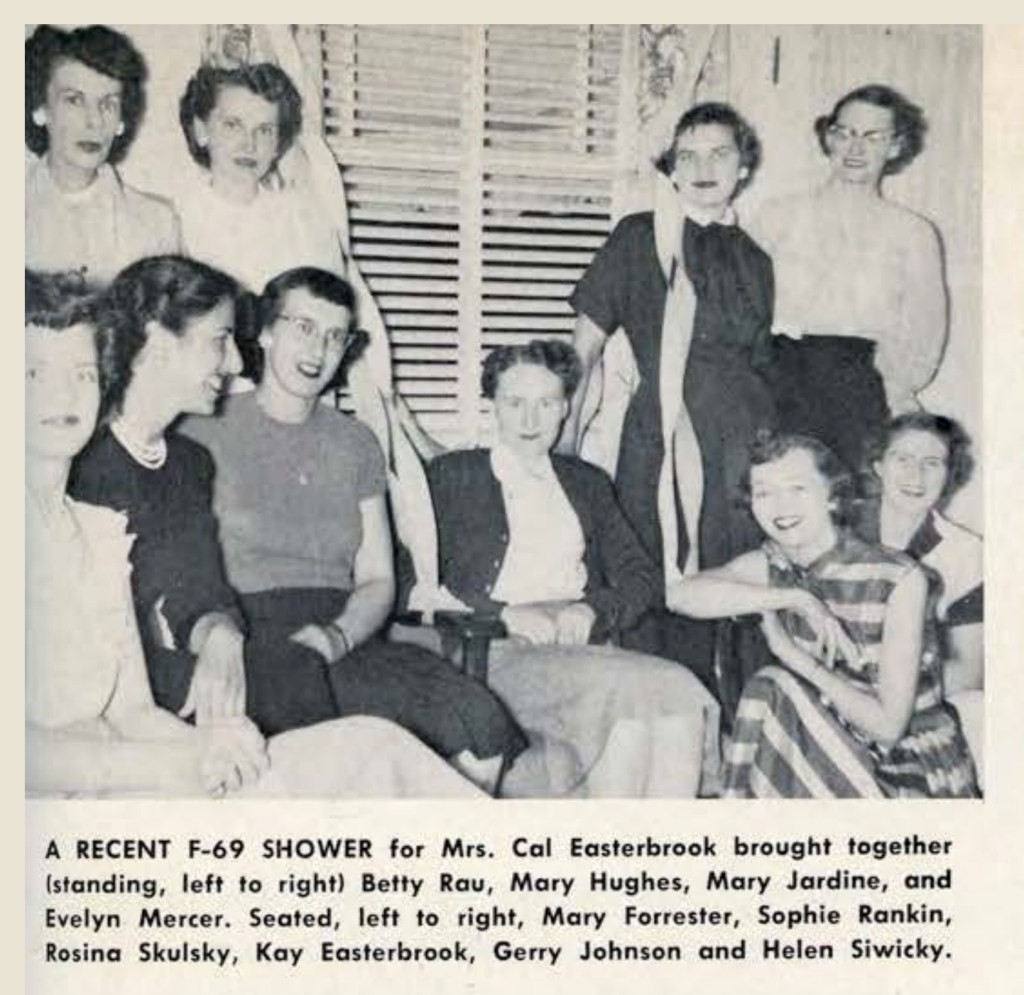
In the 50s, my Grandmother, Ro Skulsky, worked for AGT as a Switchboard Operator in Edmonton. When we first visited West Jasper Place and saw the AGT building, I called her on the phone, asking if she could remember which station she’d worked at. It turns out she didn’t work at the Jasper Place Wire Centre (that would have been an amazing coincidence! But Jasper Place wasn’t even part of Edmonton yet).
She ended up telling me about her job, how much she loved the responsibility of connecting people and places. On quiet nights, she would sometimes chat with operators far away – all across the country and even Europe. For a woman from a small mining town in Northern Alberta, this was her first contact with the wideness of the world.
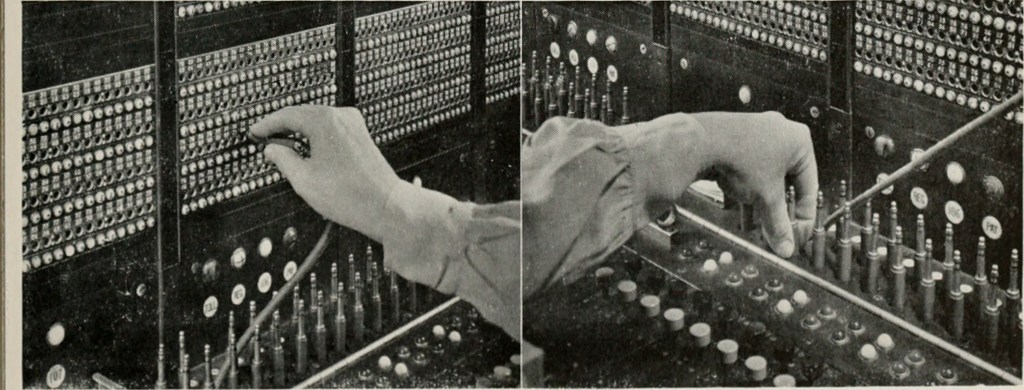
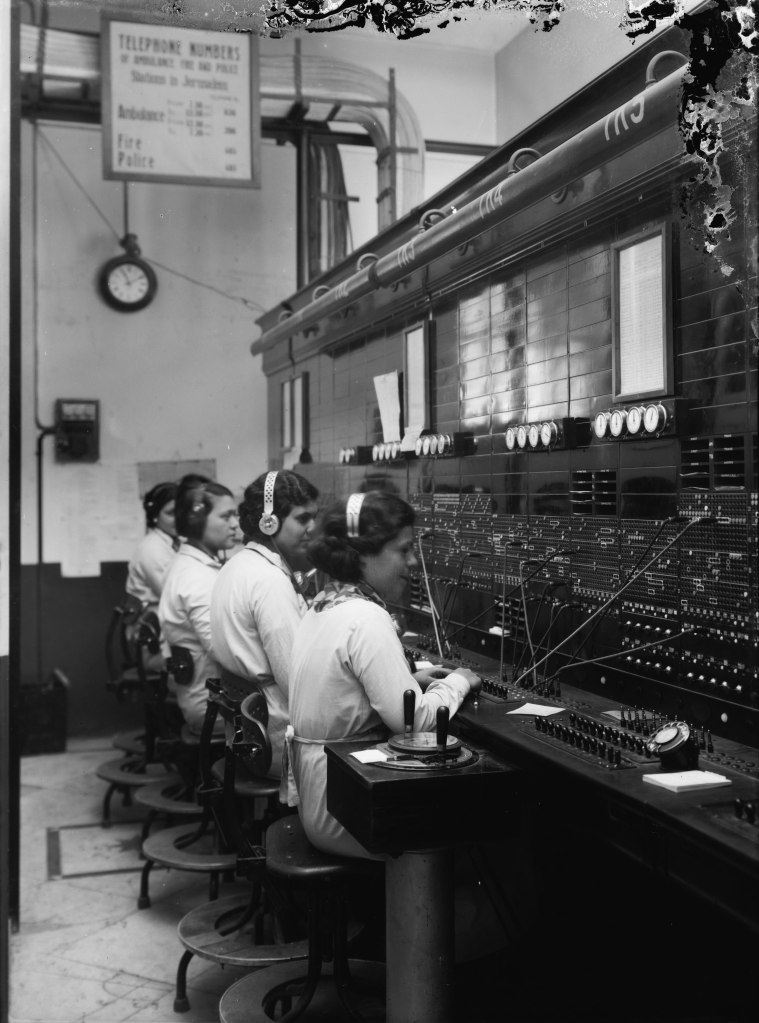
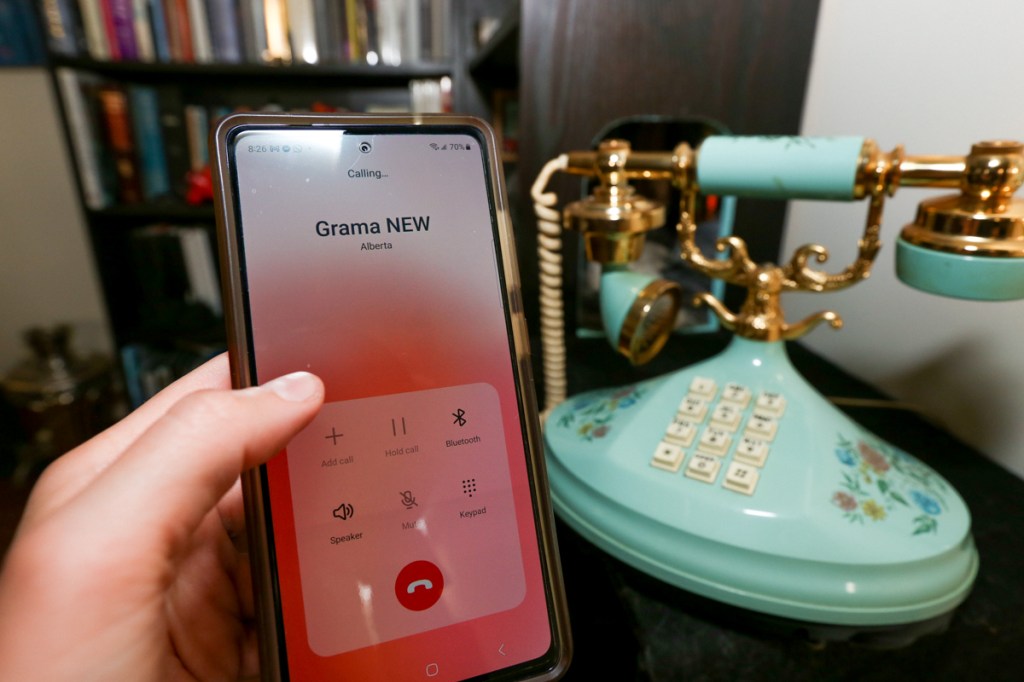
Now my Grama, my Mom, and a few close friends are the only people I talk to on the telephone. But that feeling of connecting over vast geography is still powerful. It must have been so intense for my Grama, literally making connections across continents and cultural barriers at a time when those relationships were almost impossible.
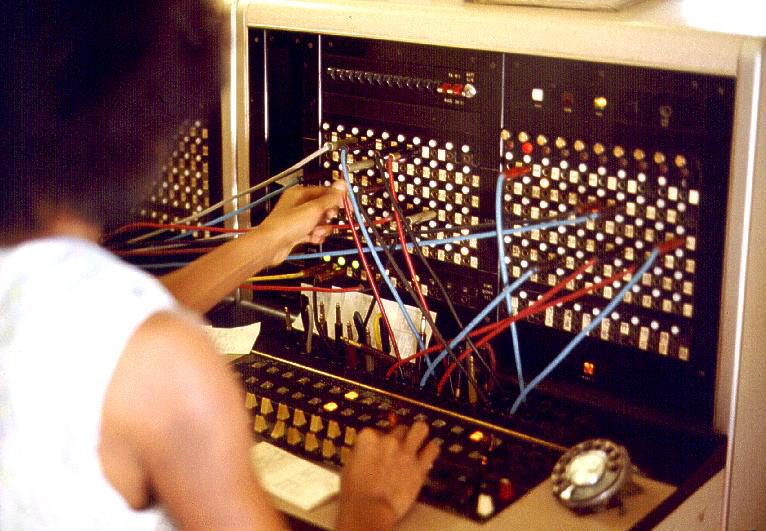
WikiCommons images of Switchboard Operators
Much of our work as artists uses found materials, rearranged in some tongue-in-cheek way to create a new understanding of everyday objects, places, or situations. We’ve built an electrical cloud from light bulbs, an elaborate clock from hourglasses, a river of personal coordinates from survey monuments, and an obelisk of the carbon era from a 1988 Plymouth Caravelle.
We already knew we wanted to design an artwork that would encourage people in Butler Memorial Park to get to know their neighbours better. We also wanted to use familiar materials that people in the neighbourhood would recognize and find humorous, useful, or nostalgic. All signs pointed to the telephone.
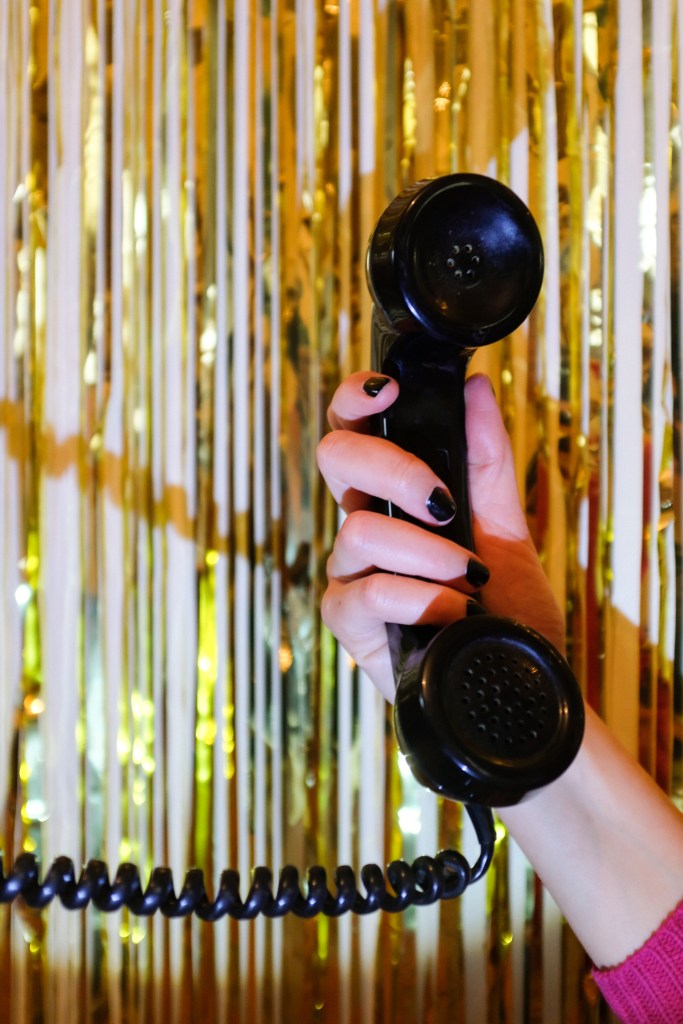
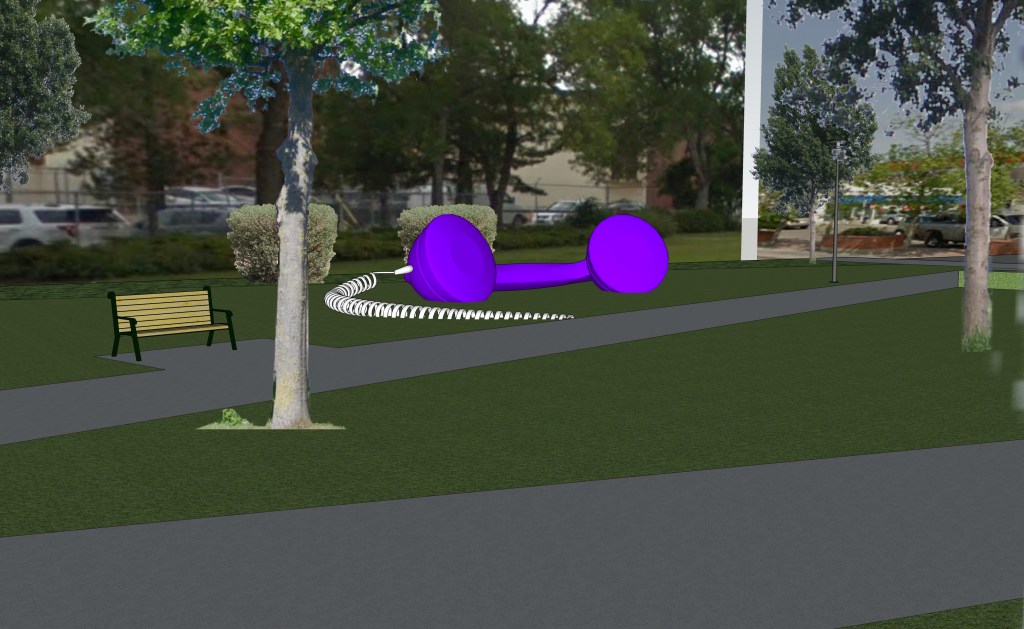
Our first few telephone concepts were pithy, involving a pair of giant interactive phones in the park. But we quickly reconsidered this plan. We were afraid seniors wouldn’t use something huge because they might assume a big interactive sculptures is designed for children. We truly wanted to make something playful for all ages. Besides, we wanted something more intimate.
Nostalgia is a powerful access point. I remember my Mom pulling the extra-long curly cord of our kitchen phone all over the house, holding the earpiece in the crook of her neck while cooking, banking, and parenting at the same time. We had a rotary phone in our basement, and I struggled to make telephone calls, laughing when the numbers didn’t come out right. I remember making payphone calls for my parents to come pick me up, long before my sister and I shared a flip-phone.
Telephones are everywhere. Smartphones have changed the way we live and work, creating more connections than ever.
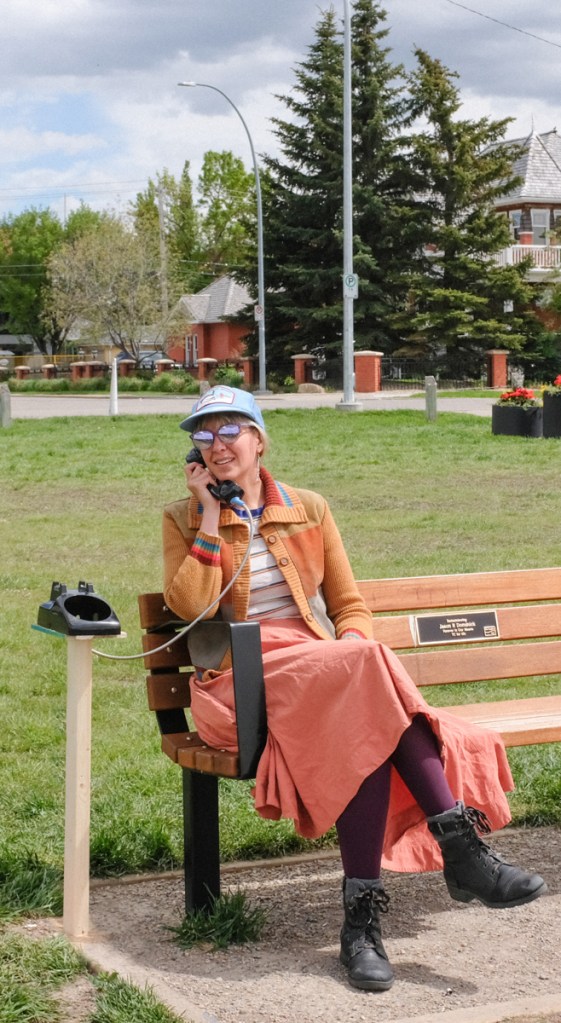
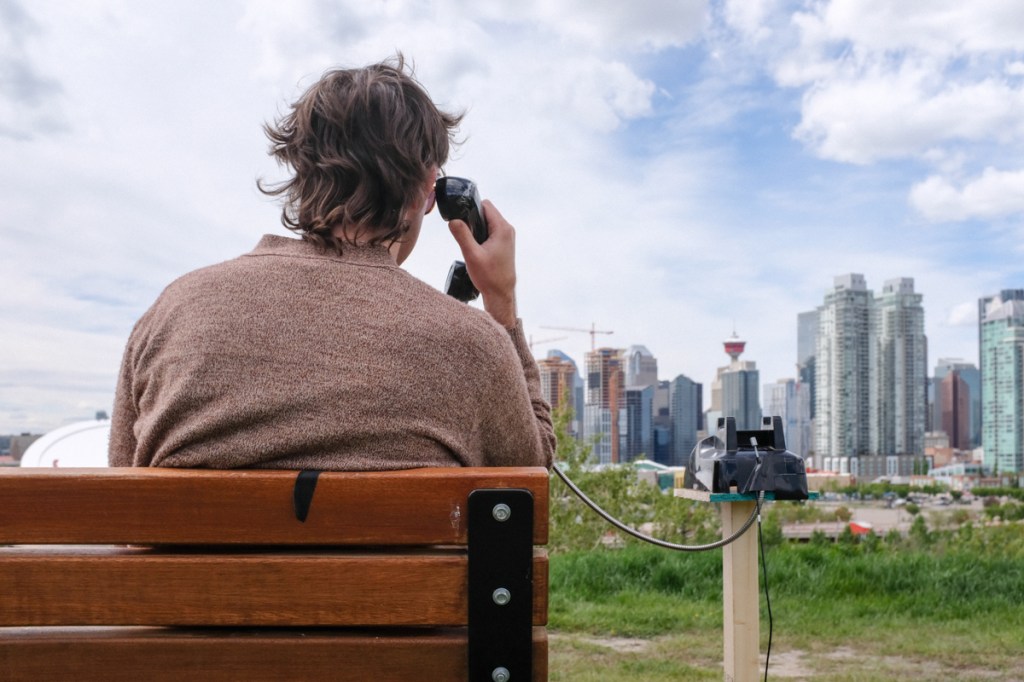
But sometimes modern smartphones are a distraction, a means of escape or a way of filling the void with noise. Instead, what if we pulled back in time, to a nostalgic era when telephones were more utilitarian? What if we collectively suspend our disbelief, using “retro” devices to make public space more permeable, more relatable, more open to moments of connection? What if we seek that feeling that my Grama had, all those years ago, of the world becoming wider, more mysterious, and friendly?
This project is an experiment. We’ll have to wait and see what happens…
~ Caitlind Brown, Artist & Collaborator
 Play It By Ear
3 responses to “Why Telephones?”
[…] We designed Play It By Ear at the beginning of the COVID-19 Pandemic, in a time marked by social distancing and self-isolation when methods of bridging the distance between people had new importance. We chose everyday telephones as a symbol of connection (read about Why Telehones? here). […]
LikeLike
[…] Telephones are a nostalgic invitation for multiple generations to connect, and older seniors often use the telephone as a way to entertain themselves, pass the time, keep in touch with friends and family, and feel connected. This was one of the reasons we decided to use telephones in Butler Memorial Park. […]
LikeLike
[…] Telephones are a nostalgic invitation for multiple generations to connect, and older seniors often use the telephone as a way to entertain themselves, pass the time, keep in touch with friends and family, and feel connected. We consider this use a type of play that seniors participate in regularly – a combination of entertainment, storytelling, and active/passive listening. […]
LikeLike